
Are Foodborne Illnesses Really on the Rise?
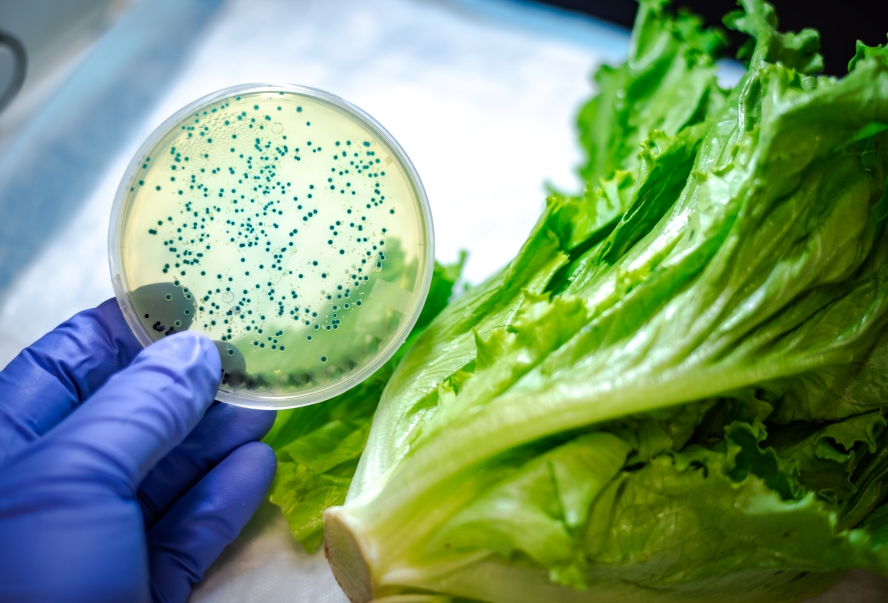 From contaminated produce to parasites with unfamiliar names, foodborne illnesses seem to be making headlines with increasing frequency. But are more people actually getting sick, or are we simply paying closer attention?
According to Reeti Khare, PhD, clinical microbiologist at National Jewish Health, the answer is a little of both.
“Keep in mind that foodborne illnesses can be seasonal, and there can be rises and falls in foodborne pathogens over a period of years,” said Dr. Khare, while adding that there has been a more general increase in foodborne illnesses over the years as well.
The rate of foodborne infections can increases as temperatures rise, so comparing case numbers during warmer months with those from colder months can make an outbreak seem more unusual than it really is.
At the same time, broader environmental changes may be creating conditions that allow some pathogens to survive longer and spread into areas where they have historically been less common.
Why Warmer Weather Matters
Temperature plays an important role in the life cycles of many parasites. In colder climates, freezing temperatures can kill organisms in the soil or interrupt the development they need to become infectious. Warmer climates do not always provide that natural break.
“There are certain parasites and bacteria that only live in warm areas. For instance, if we consider the prevalence of some of these foodborne illnesses in the tropics and subtropics, we like to think that the U.S. is protected,” said Dr. Khare. “However, our winters protect us. If you begin to have milder winters, or if we look at specific places like Florida that are naturally more tropical, then you're going to see that the soil doesn't freeze or conditions never get cold enough to break the cycle.”
In other words, if conditions remain warm for longer periods, some organisms can survive without their normal cycle being interrupted. Cyclospora, which has been responsible for a wave of foodborne illness headlines this year, is a good example. This microscopic parasite causes an intestinal illness called cyclosporiasis and is commonly associated with contaminated food or water. Unlike some gastrointestinal infections that can pass relatively quickly from person to person, cyclospora must first spend time outside the body before becoming infectious.
This makes factors such as temperature and food handling crucial. If contaminated water reaches fruits or vegetables and the produce then remains warm during transportation or storage, the parasite may have time to mature before someone eats it.
Dr. Khare described a hypothetical situation in which produce is washed and then spends days on a warm truck before refrigeration. By the time it reaches the grocery store, “the parasite has matured. Somebody buys it off the shelf, they eat it and then get sick.”
Simple Steps Can Make a Big Difference
Consumers have limited control over what happens to food before it reaches the store, but basic precautions can reduce risk once you bring it home.
“Keep your food refrigerated and always wash it,” Dr. Khare said, stressing that even products labeled “washed” or “triple washed” are not necessarily risk-free. Consumers usually do not know how consistently an item remained refrigerated throughout harvesting, transportation and storage. And even though washing produce is worthwhile, it cannot remove every organism.
“Cooking your vegetables is probably the most effective way to safeguard yourself, especially when there’s a large outbreak like we’ve seen recently,” she said.
One thing you shouldn’t do, even when there are more headlines about foodborne illnesses, is use the news cycle as an excuse to stop eating your fruits and vegetables, Dr. Khare noted.
“I think people should understand that there are always going to be these illnesses,” Dr. Khare said. “This is not new, and we will see these pathogens again. The idea is to minimize risk by refrigerating your food, cleaning your food, cooking your food and taking all the panic with a grain of salt.”