Community Asthma Program on Navajo Nation Increases Care-Seeking for Children with Asthma
 DENVER - A multiyear community asthma program on the Navajo Nation increased asthma-related care and awareness among families, even as the COVID-19 pandemic dramatically disrupted health care and school systems. The findings come from a new study led by researchers at National Jewish Health and collaborators at the University of Arizona and several partner institutions, in close partnership with Navajo Nation leaders, schools and health systems.
The Navajo Community Asthma Program (CAP) was designed to reduce asthma exacerbations among Diné (Navajo) children living on the 27,000-square-mile Navajo Nation, which spans Arizona, New Mexico, Utah and Colorado. Asthma rates among American Indian and Alaska Native children are among the highest in the United States, and a 2020 assessment found that about 21% of Diné adolescents on the Navajo Nation had been told by a health care provider they have asthma.
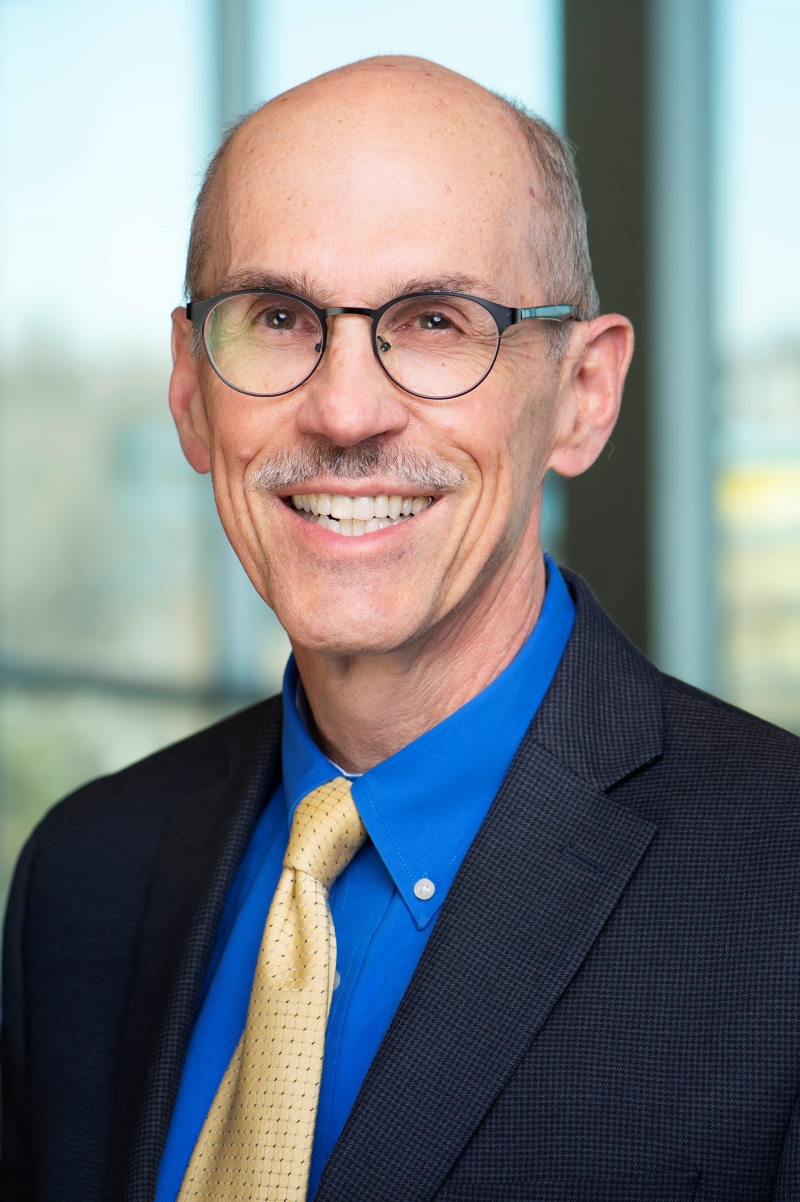
“Families on the Navajo Nation face a unique combination of environmental exposures, economic hardship and limited access to specialty care that can make asthma especially difficult to manage,” said Bruce Bender, PhD, neuropsychologist at National Jewish Health and lead author of the study. “CAP was designed with Navajo partners to build capacity in local communities, so children can get timely, culturally respectful asthma care where they live and go to school.”
After a year of community engagement meetings, CAP launched a seven-year, stepped-wedge study in three communities, each anchored by its own Indian Health Service (IHS) medical center and school system: Tuba City, Chinle and Ft. Defiance/Window Rock.
The program trained 439 health care and school staff, including 176 health care providers (physicians, nurses, pharmacists, respiratory therapists and others) and 263 school staff and community health representatives (CHRs).
Key components of CAP included:
- Provider training in pediatric asthma diagnosis and management, aligned with National Asthma Education and Prevention Program (NAEPP) guidelines, including spirometry, inhaler technique, trigger avoidance and communication tools to support self-management.
- School-based training using the American Lung Association’s Asthma 101® and Open Airways for Schools®, equipping school administrators, teachers, nurses, aides and CHRs to recognize and respond to asthma symptoms.
- Stock inhaler programs in schools in Tuba City and Chinle, with standing orders and albuterol inhalers available for any student experiencing respiratory distress.
- Development of the Navajo Asthma Action Plan (NAAP) and low-literacy family education materials created in collaboration with Diné leaders.
- Community education via chapter house meetings, advisory committees and radio programs on Diné stations focused on childhood asthma.
“From the beginning, this work was guided by Navajo leaders, families and local staff,” Dr. Bender said. “Our goal was not to bring in a temporary team, but to help strengthen the skills, tools and infrastructure already present in these communities.”
National Jewish Health is the leading respiratory hospital in the nation delivering excellence in multispecialty care and world class research. Founded in 1899 as a nonprofit hospital, National Jewish Health today is the only facility in the world dedicated exclusively to groundbreaking medical research and treatment of children and adults with respiratory, cardiac, immune and related disorders. Patients and families come to National Jewish Health from around the world to receive cutting-edge, comprehensive, coordinated care. To learn more, visit njhealth.org or the media resources page.
Media Resources
We have many faculty members, from bench scientists to clinicians, who can speak on almost any aspect of respiratory, immune, cardiac and gastrointestinal disease as well as lung cancer and basic immunology.
Media Contacts
Our team is available to arrange interviews, discuss events and story ideas.
- Jessica Berry
303.398.1082 office
303.807.9491 mobile
berryj@njhealth.org - Adam Dormuth
303.398.1002 office
970.222.5034 mobile
dormutha@njhealth.org