Living with Lung Disease
If you have a lung disease, you may need to make adjustments to your lifestyle. It’s important to learn as much about your condition and work closely with your care team. Lifestyle changes and proactive strategies also can help control symptoms and improve your quality of life.
Lung Disease Articles
Lung Disease Infographics
Frequently Asked Questions about COPD
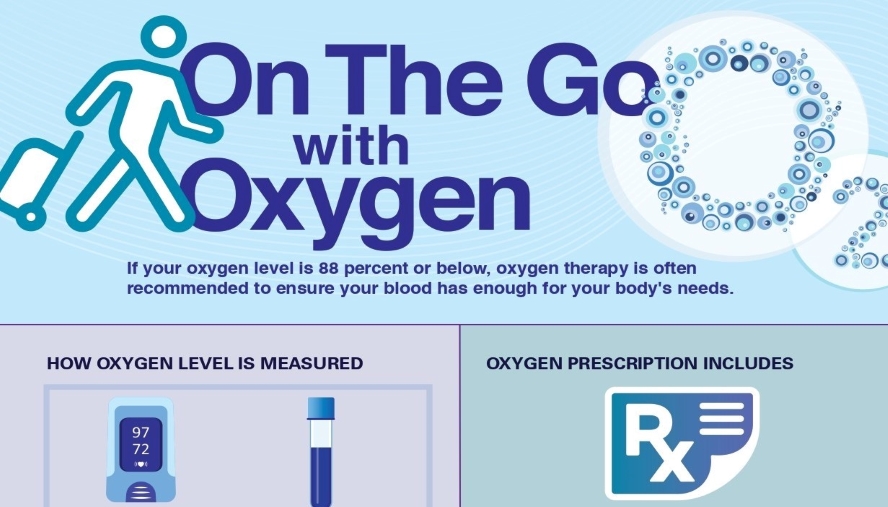
If your health care provider has prescribed oxygen for activity, it is very important that you wear it when you exercise. Oxygen is prescribed when the oxygen level in your blood drops below an acceptable level either at rest or with activity. Using your prescribed oxygen will allow you to feel less shortness of breath when you are active and allow you to do more. Wearing your oxygen will not make you become "addicted" to it. It only makes up for what your lungs are unable to do at that time.
By using coordinated breathing techniques and starting out slowly, you will be able to find an exercise program that works for you. When you have shortness of breath, it can cause you to become anxious. This can lead to inactivity. The more inactive you are, the more short of breath you become. The increased shortness of breath in turn increases your anxiety about activity. This is called the "Vicious Cycle of Dyspnea." If you exercise, you can beat this cycle. This will give you more energy, decrease your level of breathlessness (dyspnea) and decrease some of the anxiety that comes with being short of breath. Often, participating in a pulmonary rehabilitation program can help one resume regular physical activity.
Exercise has many benefits. First, it decreases shortness of breath and improves your energy level. It also decreases the risk of heart disease, high blood pressure, depression, high blood sugar and side effects from medicine (steroids). Exercise increases bone strength, muscle strength, endurance, relaxation and restful sleep. Overall, exercise will improve your quality of life. Learn more about COPD and exercise.
Shortness of breath in COPD is caused by too much air remaining in the lungs, decreasing the amount of room left in the lungs to breathe. Pursed lip breathing will help you feel less short of breath by reducing the amount of trapped air in the lungs, giving you more room to breathe. It also helps increase your oxygen saturation. Pursed lip breathing causes a positive pressure in your airways, keeping them open longer while you are breathing out. This helps move air out of your lungs more easily, thus allowing fresh air to come into the lungs.
Yes. Regular exercise will become part of your everyday life. Exercise should be considered one of the most effective medications you can take. You will need to exercise four to five times a week for 30 minutes to maintain or improve your current fitness level. Exercise five to six times a week for 45 to 60 minutes to promote weight loss.