
Recognizing Rheumatoid Arthritis Symptoms Early

Joint Pain and Swelling in Small Joints
RA often starts in the small joints of the body. It often affects the hands, wrists and feet. You may notice tenderness, swelling or a feeling of fullness around the joints.
This discomfort may not have a clear cause. It can come on gradually and affect multiple joints at once. The joints may also feel warm or appear slightly puffy.
Persistent swelling, especially in multiple small joints, is one of the clearest rheumatoid arthritis symptoms.

Morning Stiffness That Lasts Too Long
Many people feel stiff when they wake up, but RA-related stiffness is different. It typically lasts longer than 30 to 60 minutes and can make it difficult to move normally.
This stiffness may also return after sitting still or resting at any time of the day, not just in the morning. “Persistent stiffness after inactivity is often a symptom people overlook,” noted Dr. Maleki Fischbach.
When stiffness is prolonged, it’s more likely to reflect the inflammation in the joints caused by RA rather than simple wear and tear.
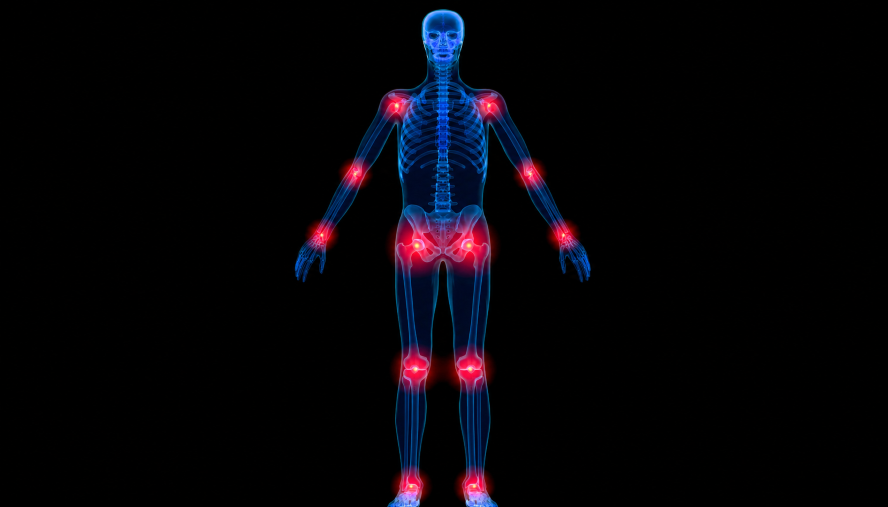
Symptoms on Both Sides of the Body
One feature that makes RA more distinct is symmetry. Rheumatoid arthritis symptoms often affect both sides of the body in a similar way. Both wrists or both hands can be affected, for example.
This differs from many mechanical or injury-related issues, which tend to affect one side more than the other. Symmetry doesn’t always happen immediately, but it becomes more noticeable over time.
When joint pain, swelling and stiffness show up in a mirrored pattern, it raises suspicion for an underlying inflammatory condition like RA.

Fatigue and Low Energy
RA is not just a joint disease. It affects the entire body, and fatigue is a common symptom.
This fatigue can feel persistent and out of proportion to your activity level. It’s not simply being tired after a busy day. It may interfere with daily life and come alongside joint symptoms.
Dr. Maleki Fischbach emphasized that fatigue is often part of a broader cluster of symptoms that can be missed early on. When fatigue appears together with joint stiffness or swelling, it may point to systemic inflammation.

Trouble with Everyday Hand Movements
RA can gradually affect how your hands function. You might notice reduced grip strength or difficulty performing routine tasks.
Opening jars, turning doorknobs or making a fist may become harder over time. These changes often develop slowly, which makes them easy to overlook at first.
Inflammation can limit joint movement and reduce flexibility. Paying attention to these subtle functional changes can help you catch the condition earlier.

Whole-Body Symptoms
Some people with RA experience symptoms beyond the joints, especially early on. These can include low-grade fever, weight loss or a general feeling of being unwell.According to Dr. Maleki Fischbach, some patients, including younger individuals, may have systemic symptoms along with joint inflammation. Because these symptoms are nonspecific, they’re often attributed to other causes. When they occur alongside joint pain and stiffness, they may signal RA.

When to Seek Care
If you notice ongoing joint symptoms that last more than a few weeks, especially a combination of stiffness, swelling, fatigue and functional changes, it’s important to speak with a healthcare provider.RA can often be identified through a combination of symptoms, physical exam and lab testing. Dr. Maleki Fischbach emphasized the importance of follow-through. If symptoms continue or aren’t taken seriously, seeking another opinion can be helpful.
Early diagnosis and treatment can help prevent joint damage and improve long-term outcomes. If something feels off, it’s worth getting it checked.